
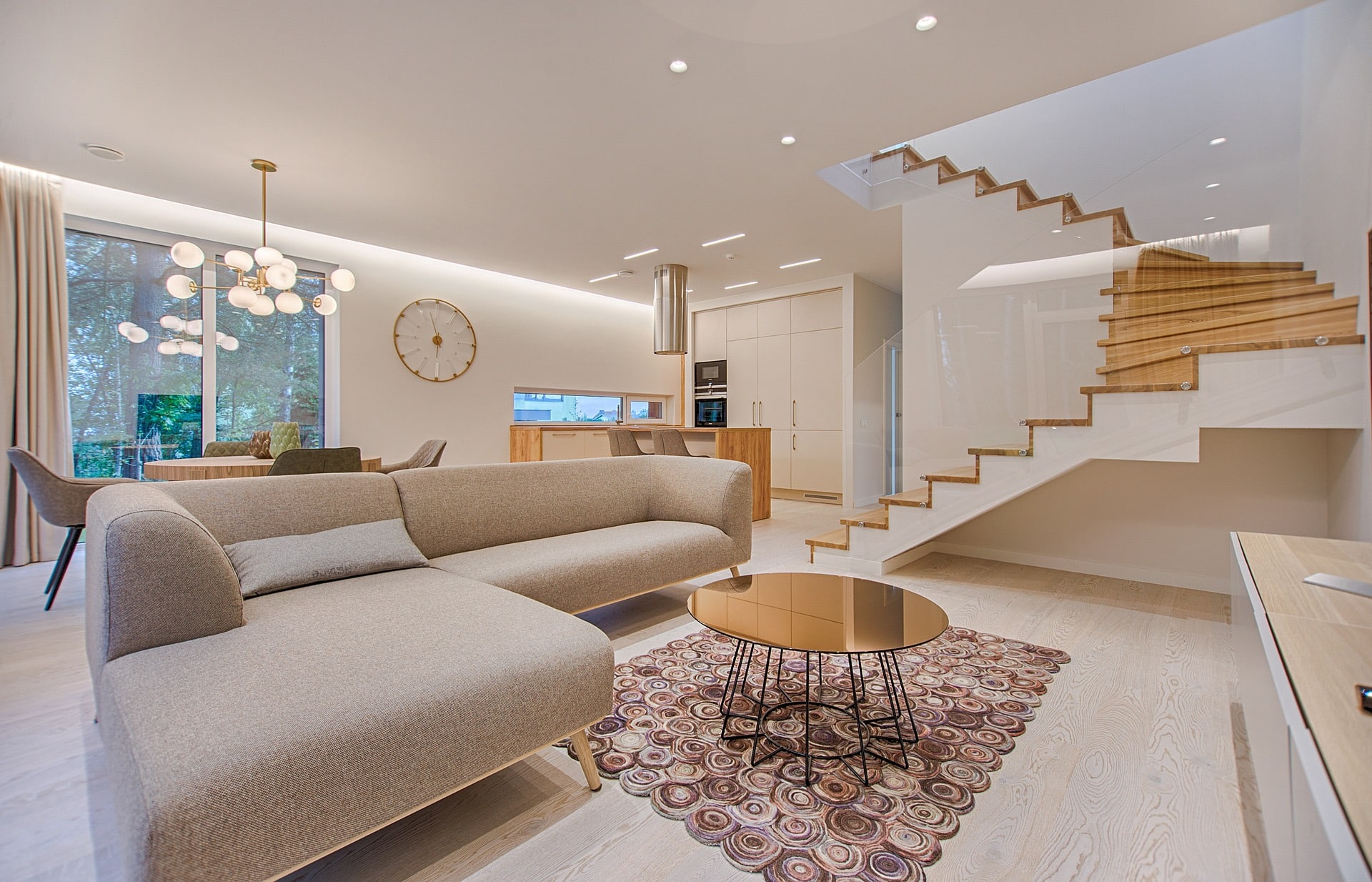
How much does it cost to own an apartment in Kenya? If you think the answer is just the asking price on the listing, you might be in for an unpleasant surprise. Whether you are looking at a studio in Kilimani or a family unit in Syokimau, the purchase price is really just the ticket to get in the door.
In Kenya’s 2026 real estate market, the true cost of ownership is a combination of one-time acquisition fees and ongoing monthly expenses. From stamp duty and legal fees to monthly service charges and hidden maintenance costs, this guide breaks down exactly what you need to budget for before you call that apartment your own.
We will look at current construction trends, financing options, and the unavoidable levies that come with shared living. By the end of this article, you will have a clear roadmap of the financial commitment required, helping you budget smarter and avoid common pitfalls that catch first-time buyers off guard.
The Initial Purchase Price: What Are You Paying For?
The cost of an apartment in Kenya varies wildly depending on location, size, and finishes. Generally, the market caters to a wide spectrum of buyers.
In Nairobi’s satellite towns like Athi River, Syokimau, or Ruiru, you can find two to three-bedroom units ranging from Ksh 8 million to Ksh 18 million . Move into the city center or suburbs like Kilimani, Kileleshwa, or Westlands, and the prices jump significantly. A two-bedroom in these areas can start from Ksh 12 million and go up to Ksh 33 million for a three-bedroom unit . Luxury penthouses in upmarket areas can easily cost upwards of Ksh 80 million .
However, the price on the agreement is not the amount you write the cheque for. To own the property, you must factor in several statutory and professional fees that typically add an extra 7% to 10% to the purchase price .
The “Hidden” Costs of Acquisition
Before you pop the champagne, you need to settle the government and legal costs associated with transferring the property into your name. These are non-negotiable.
1. Stamp Duty
This is the single largest additional cost. It is a tax levied by the government on legal documents, specifically the transfer of property. For apartments in urban areas (cities and municipalities), the stamp duty rate is 4% of the property’s value .
- Example: On a Ksh 10 million apartment, you will pay Ksh 400,000 in stamp duty alone.
2. Legal Fees
You cannot buy property without a lawyer. Conveyance fees (the legal process of transferring ownership) are guided by the Advocates Remuneration Order. You should budget between 1.5% and 2% of the purchase price . This covers the sale agreement, due diligence, and transfer paperwork.
3. Valuation Fees
Before the Kenya Revenue Authority (KRA) assesses your stamp duty, they often require a government valuer to confirm the market value of the property to ensure the correct tax is paid. This costs roughly 0.25% to 1% of the property value .
4. Registration and Miscellaneous Fees
Finally, there are small but necessary fees for registering the transfer at the lands registry. While much smaller (usually a few thousand shillings), they still need to be in your budget.
Financing Costs: If You Need a Mortgage
Unless you are paying all cash, you will likely need financing. The mortgage market in Kenya is active but comes with its own layers of cost.
- Deposit: Banks typically require a deposit of at least 10% to 20% of the property value, though this can be higher depending on your creditworthiness.
- Interest Rates: As of recent surveys, mortgage interest rates from commercial banks average around 14% . While SACCOs might offer slightly lower rates (around 12%), they often have different qualifying criteria .
- Additional Bank Fees: When taking a loan, the bank will charge commitment fees, legal fees for their lawyer, and valuation fees (for their valuer). They will also require mortgage insurance and building insurance, which can add 2% to 3% to the loan principal in fees .
Summary of Initial Costs:
For a Ksh 12 million apartment in Nairobi, you need more than Ksh 12 million. After stamp duty (Ksh 480,000), legal fees (approx. Ksh 200,000), and valuation, your total upfront cash required is closer to Ksh 12.8 million to Ksh 13 million.
The Monthly Cost of Keeping Your Apartment
Once you own the apartment, the costs don’t stop. In fact, they shift from one-time payments to recurring obligations.
Service Charge: The Biggest Recurring Cost
If you own an apartment, you own a part of the building. This means you share the responsibility for its upkeep. This is covered by the service charge. This fee is usually paid monthly to the property manager or residents’ association .
In Nairobi, service charges typically account for 5% to 15% of the rent (or a comparable market rate) . For owners, this means paying for:
- Security: Guards, CCTV systems, access control .
- Utilities for Common Areas: Electricity for hallways, lifts, and borehole pumps for water supply.
- Maintenance: Lift servicing, cleaning of lobbies, garbage disposal, and landscaping .
- Management Fees: Paying the company that handles the books and maintenance.
How much is it? For a mid-range apartment in a satellite town, this could be Ksh 5,000 to Ksh 10,000 per month. However, in luxury developments in Kilimani or Westlands with multiple lifts, gyms, and pools, service charges can range from Ksh 15,000 to Ksh 30,000 or more per month . Always ask for the service charge rate before buying, as it drastically affects your monthly budget.
The Sinking Fund
A responsible building management will also collect a “sinking fund.” This is a reserve specifically for major future expenses—like replacing the lift, repairing the roof, or repainting the entire building facade . If a building doesn’t have a sinking fund, the owners could be hit with a massive one-time levy when the generator breaks down. This fund is usually a smaller percentage on top of the regular service charge.
Land Rates and Rent
Even if you own the apartment, the land it sits on is often leasehold (typically 99 or 999 years). You must pay annual land rates to the county government. The amount varies depending on the location and size of the land . For a Ksh 220 million townhouse in Westlands, rates could be as high as Ksh 480,000 per year, whereas a standalone home might have lower rates per square meter .
Current Market Reality: Construction Costs
To understand where prices are going, look at construction costs. The Architectural Association of Kenya (AAK) noted that construction costs for standard low-rise apartments rose to approximately Ksh 68,837 per square meter in late 2025, driven by higher prices for steel, electrical fittings, and sand .
This rise in building costs means that:
- New apartments (off-plan) will likely be priced higher.
- Your existing apartment’s value may appreciate, but your maintenance costs (service charge) may also rise as the management company pays more for repairs and materials .
Budgeting for the Unexpected
Finally, as a homeowner, you are now the “landlord” of your unit. When the water pump in the building breaks or there is a plumbing issue inside your walls, you are financially responsible (either directly or through your service charge).
- Repairs: Always keep an emergency fund for internal repairs that aren’t covered by the service charge.
- Insurance: While the building has a policy, you need contents insurance to cover your furniture, electronics, and renovations.
Conclusion
So, how much does it cost to own an apartment in Kenya? It costs more than the sticker price.
To own an apartment safely and legally, you must budget an extra 7-10% upfront for taxes and legal fees . Then, to keep it, you need to account for monthly service charges and annual land rates.
However, with urbanization on the rise and Nairobi offering competitive construction costs compared to other East African capitals, owning an apartment remains a solid path to building wealth . By going into the process with your eyes open to all the costs, you ensure that your dream home doesn’t become a financial nightmare.
Visit Apartments for Sale in Nairobi page to view latest listings in Nairobi.

Join The Discussion